
Lech Zürs am Arlberg has long been more than just a destination for skiers and walkers – it is a place for connoisseurs. Nowhere else in the world is the density of award-winning restaurants so high in relation to the population as it is here. Named the ‘World Gourmet Village’ by Falstaff and Vöslauer as far back as 2008, this small mountain village boasts a culinary scene ranging from rustic huts serving homemade cheese spaetzle to Michelin-starred cuisine of the highest international standard. On this page, we’ll take you on a culinary journey through Lech, Oberlech, Zürs and Zug – through tradition, modernity and the sheer diversity that makes this place so special.
Cheese spaetzle and game ragout, Michelin-starred cuisine and fondue evenings, Vorarlberg Riebel or international haute cuisine? The dining scene in Lech Zürs is sure to delight you. World-class award-winning restaurants and rustic mountain huts complement one another to create a culinary journey through the Alps. After all, good food and the right wine keep body and soul together.
Culinary facts
5
MICHELIN stars
Lech Zürs was awarded a total of 5 stars in the 2026 MICHELIN Guide, spread across three starred restaurants.
60
Gault Millau toque
In the 2025 edition of Gault Millau, Lech Zürs has been awarded a total of 60 toques, spread across 21 toque-awarded restaurants.
133
Restaurants & huts
Lech Zürs is home to 133 restaurants and mountain huts – ranging from rustic alpine huts to Michelin-starred restaurants.
Where MICHELIN stars meet Alpine hospitality
Lech Zürs am Arlberg boasts a concentration of culinary excellence that is unrivalled anywhere in the world. In the 2026 Michelin Guide, Lech Zürs was awarded a total of 5 stars, spread across 3 starred restaurants – and the Rote Wand Stuben has also been awarded a Green MICHELIN Star for particularly sustainable cuisine. In the 2025 Gault Millau guide, the village boasts 60 toques, spread across 21 toque-awarded restaurants – by way of comparison, there are a total of 1,107 toque-awarded restaurants across Austria in 2025, meaning a considerable proportion of them are concentrated in this single mountain village. It is this concentration of top-class cuisine within such a small area that has earned Lech Zürs the title of ‘World Gourmet Village’ – awarded by Falstaff and Vöslauer in recognition of a village whose culinary offerings far exceed its size.


Discover MICHELIN-starred restaurants in Lech Zürs
Read more
Traditional cuisine
Before Lech Zürs became known for its Michelin stars and culinary accolades, one thing in particular was at home here: the honest, down-to-earth cuisine of the mountains. This tradition lives on to this day – for example through:
- Classic Alpine dishes: Tyrolean Gröstel, cheese spaetzle and homemade pastries have been staples on the menus of rustic restaurants for decades
- Traditional alpine huts: accessible on foot, by bike or on skis – popular for hearty Käsespätzle or Kaiserschmarren
- Regional foraging tradition: in summer, cooks gather herbs, ferns and mushrooms directly in the mountains and use them in dishes, teas and juices for the winter months
→ Find traditional restaurants and mountain huts.


The variety of kitchen styles
What makes Lech Zürs so special in culinary terms is the wide range of culinary styles available within a very small area – from rustic mountain huts to gourmet restaurants:
- International: Italian, French and Asian influences blend with local ingredients
- Traditional Alpine fare: hearty, home-style classics such as cheese spaetzle and Tyrolean Gröstel
- Specialities: traditional fondue dishes, fish and game dishes
- For on the go: quick snacks and takeaway options
- Modern & health-conscious: a growing range of vegetarian and vegan options


Weinberg Arlberg
Join us now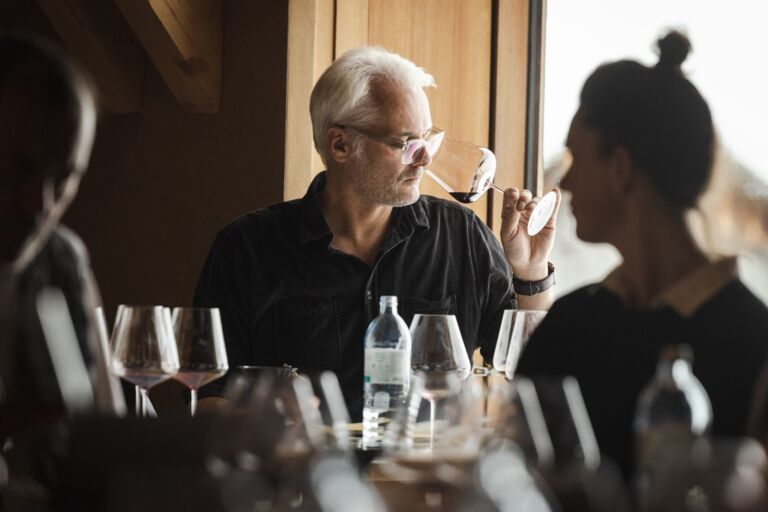
Vegetarisch und vegan essen in Lech Zürs am Arlberg
Plant-based cuisine is no longer a niche trend in the Arlberg region. More and more restaurants and hotels in Lech Zürs are putting seasonal, regional vegetables centre stage – not just as a side dish. Vegan and vegetarian dishes are now clearly marked on many menus, often even at breakfast. Individual dietary requirements, such as gluten-free or lactose-free, are usually accommodated without any fuss on request – it’s best to mention this briefly when making your booking.
→ Discover vegetarian and vegan cuisine
The perfect wine to enjoy
Austrian Sommelier of the Year 2025
Josef Neulinger (Almhof Schneider)
FUX Restaurant + Bar
one of the best wine lists in Austria
Sake and Certified Sommelier
Tobias Schneider (Hotel Jagdhaus Monzabon)
1,200 wines
Hotel Goldener Berg - Johannesstübli
1,200 positions
Hotel Burg - Lechtaler Stube
15,000 bottles
Hotel Arlberg - Weinkeller La Fenice
Genuss auf höchstem Niveau auf den Sonnenterrassen
Frequently asked questions about dining in Lech Zürs
In 2008, Lech Zürs was named a ‘World Gourmet Village’ by Falstaff and Vöslauer. The reason for this is the exceptional number of award-winning restaurants relative to the population – nowhere else in the world can such a concentration of top-class cuisine be found in such a small area.
In the 2026 MICHELIN Guide, Lech Zürs was awarded a total of 5 stars, spread across three starred restaurants. In addition, the Rote Wand Stuben was awarded a Green MICHELIN Star for its particularly sustainable cuisine.
The menu ranges from international cuisine (with Italian, French and Asian influences) to traditional Alpine classics such as Käsespätzle and Tiroler Gröstel, as well as fondue specialities, fish and game dishes, and a growing selection of vegetarian and vegan options.
Traditional alpine huts can be reached on foot, by bike or on skis, and are renowned for their hearty cheese spaetzle and Kaiserschmarren. In summer, many chefs also gather herbs, ferns and mushrooms directly in the mountains for their winter cooking.
For an international contrast, Schlegelkopf Restaurant right at the mountain station delivers: steaks, oysters, and fresh sushi meet a champagne-and-whisky ambience with panoramic views over Lech.
Yes. The Rote Wand Stuben has been awarded a Green Michelin Star for its particularly sustainable cuisine – proof that sustainability and top-class gastronomy go hand in hand in Lech Zürs.
MICHELIN Green Star: Since 2020, Michelin has been awarding this distinction to restaurants that demonstrate a particularly responsible approach to nature and resources – independently of the traditional stars awarded for culinary quality.
"Positions" refers to the number of different wines on the list (different labels, vintages, varieties). "Wines" is often used synonymously. The bottle count (e.g., "15,000 bottles"), on the other hand, refers to the actual total stock — usually significantly higher than the number of positions, since popular wines are often kept in multiple bottles.
Did you know that... ?
Discover 11 facts about wine